
Pest Surveillance in Indian Agriculture: Moving from Late Response to Early Preparedness
Regular pest surveillance and early detection help farmers prevent crop losses, reduce costs, and protect yields through timely action....

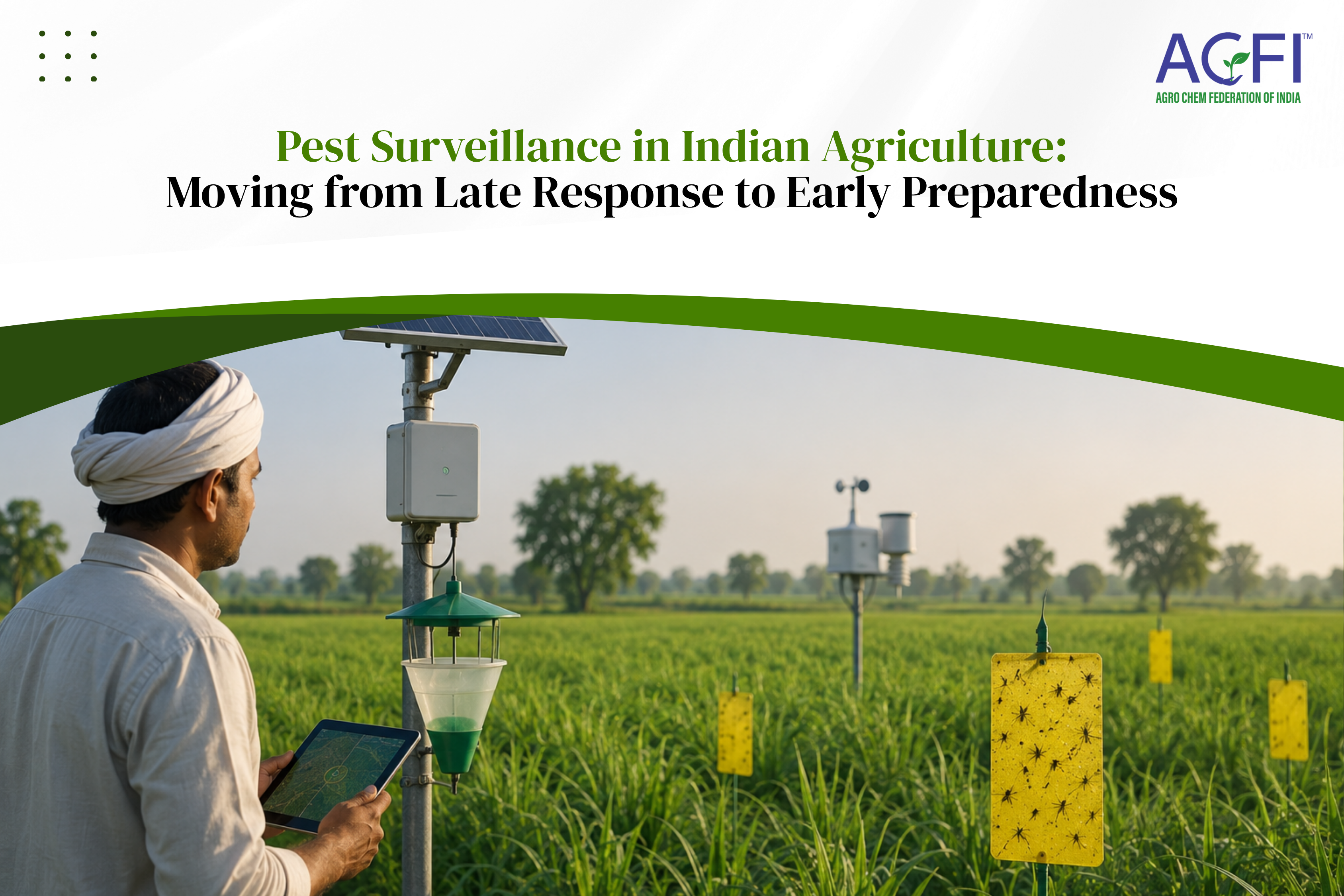
Regular pest surveillance and early detection help farmers prevent crop losses, reduce costs, and protect yields through timely action....
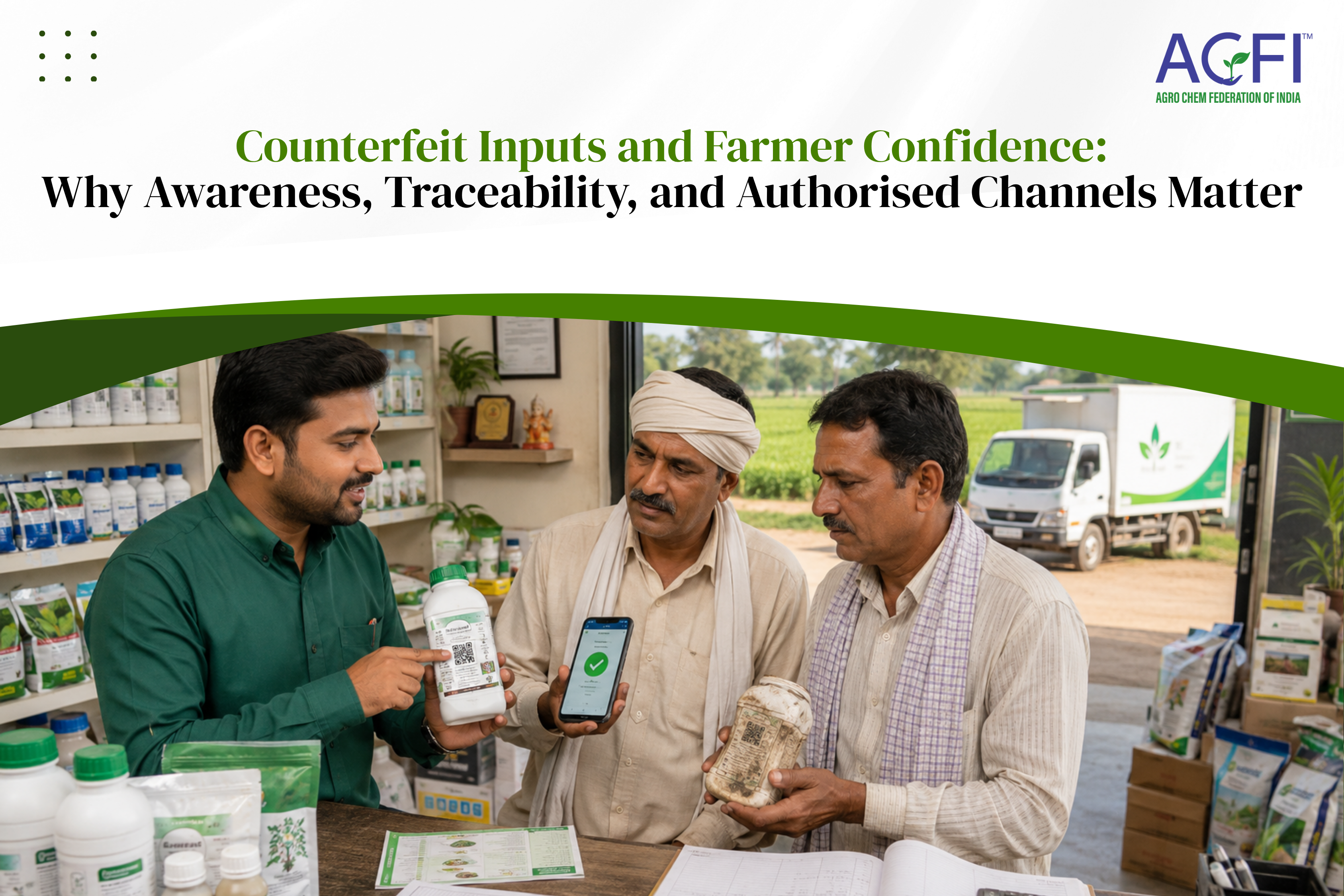
Counterfeit farm inputs silently harm crops and incomes. Buying genuine products from authorized dealers protects farmers and builds trust....

Dealers educate farmers with practical advice, genuine products, and local guidance, improving yields, trust, and farm incomes....
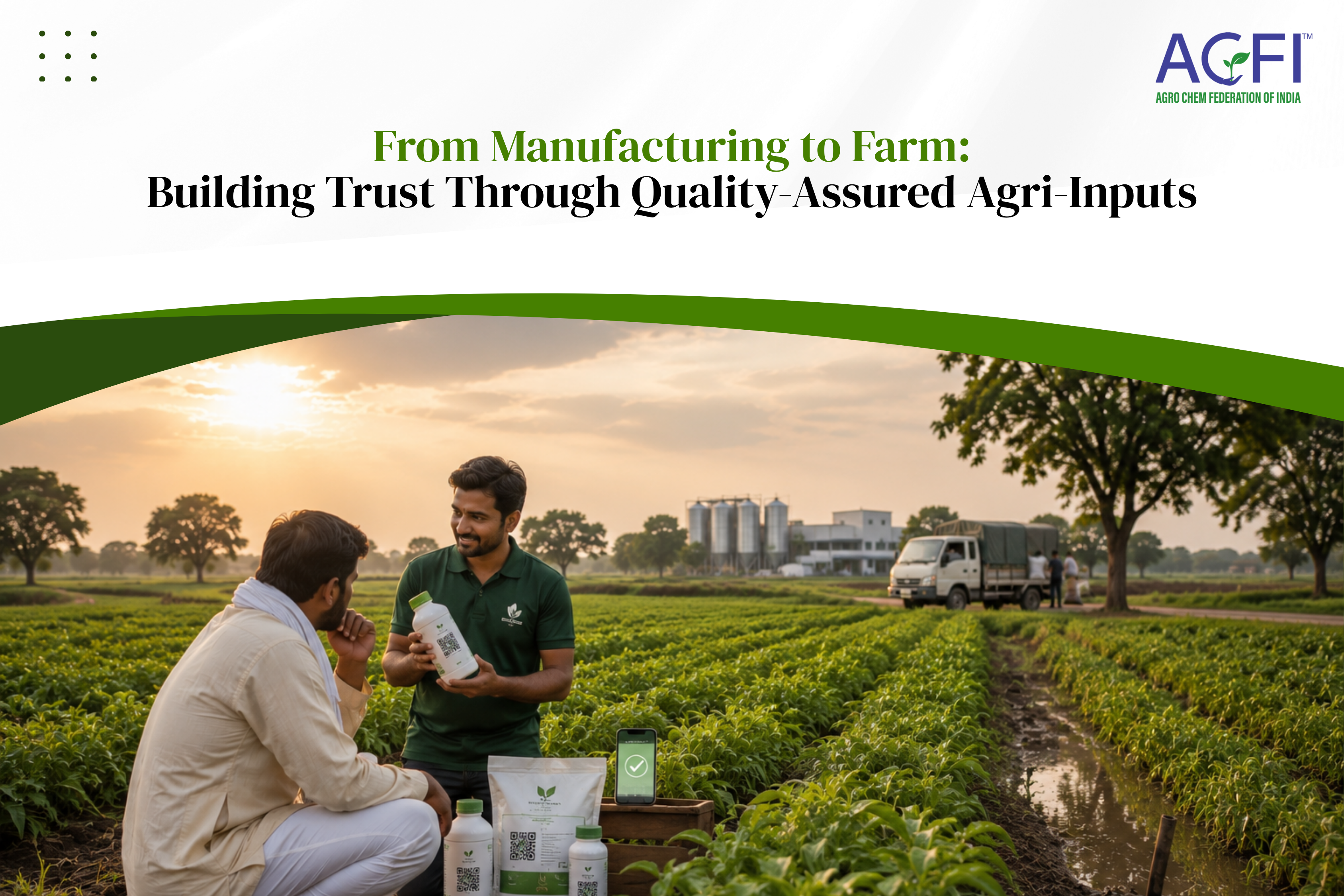
Quality agri-inputs, authorized sellers, traceability and compliance protect farmers, boost yields and build trust....

Agrochemical safety saves lives and boosts yields. Proper PPE, safe handling, IPM, and farmer training reduce risks while improving productivity....
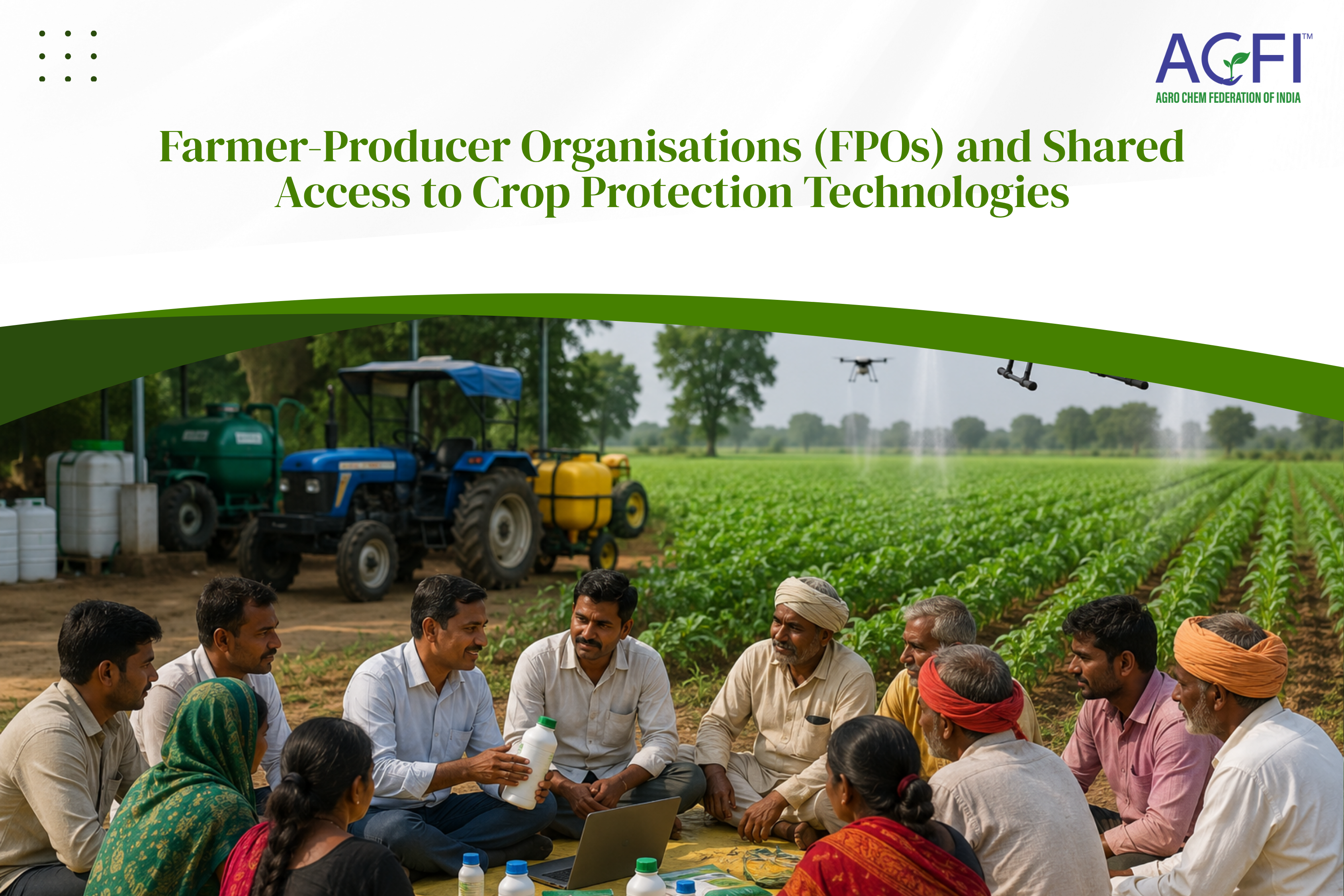
FPOs empower farmers through collective buying, modern technology, lower costs, and climate-resilient farming for higher incomes....
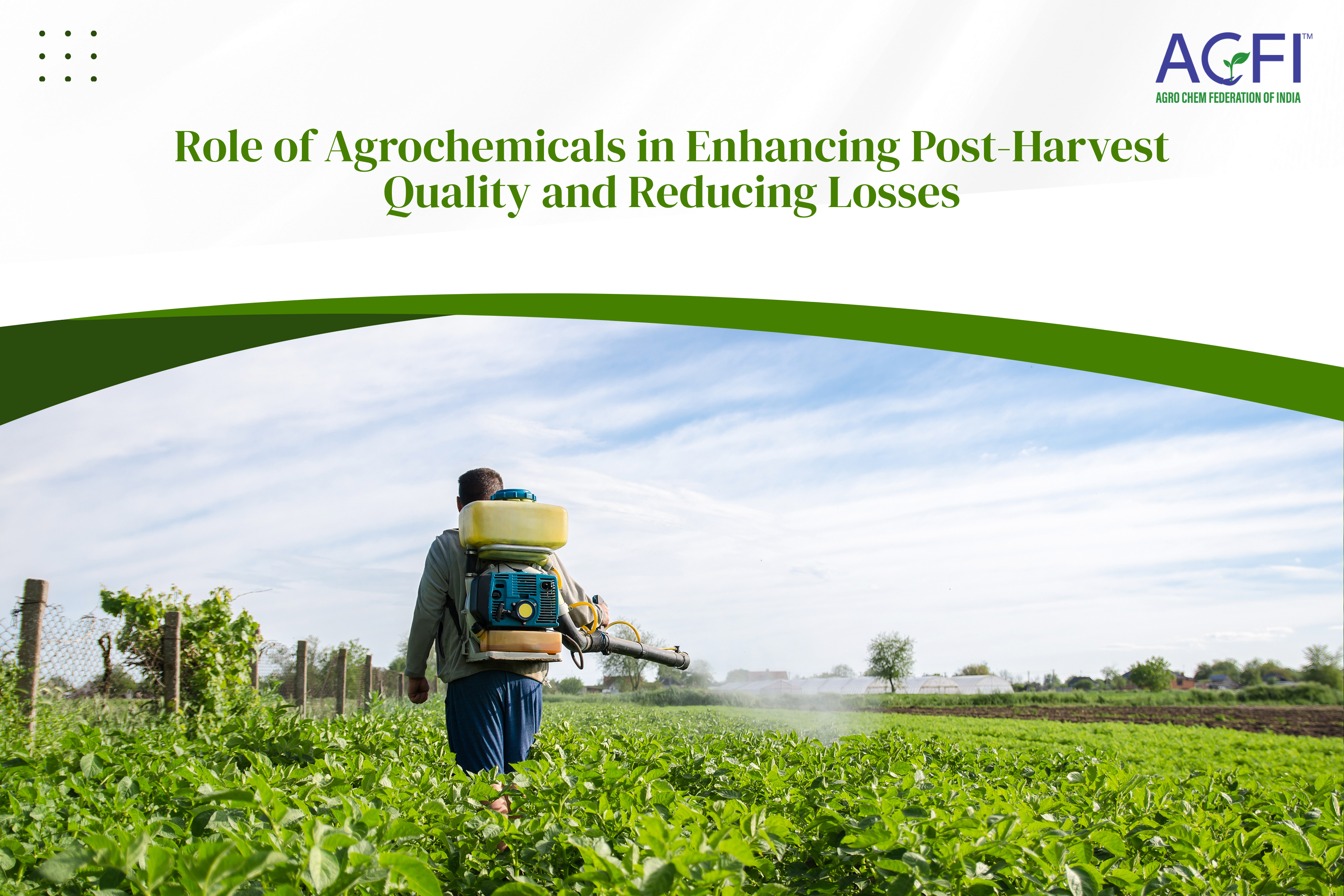
Agrochemicals reduce India’s 20–40% post-harvest losses, preserving quality, boosting farmer incomes, and strengthening food security....
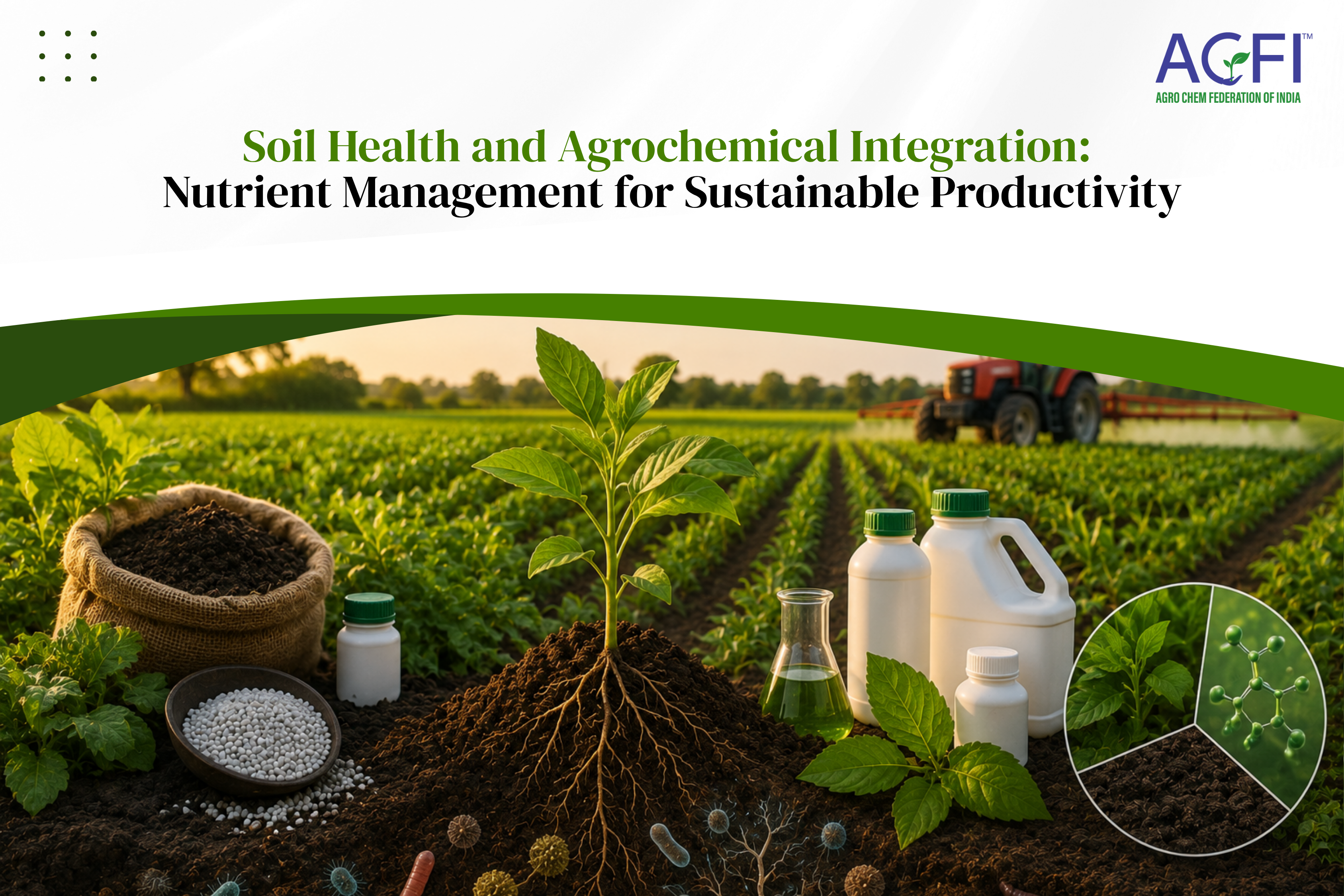
Integrated Nutrient Management restores soil health, boosts yields, cuts costs, and ensures sustainable farming in India....
.png)
IWPM helps Indian farmers cut weeds and pests sustainably using smart chemicals, cultural practices, and monitoring....

PMFBY plus precision farming helps Indian farmers cut climate risks, boost yields and secure faster insurance claims....

India’s bio-based crop protection uses microbes and plant extracts to reduce chemicals and support sustainable farming....
.png)
Smart agrochemicals and precision tech help climate-proof India’s rainfed farms, boosting yields with less chemical use....

India’s agrochemicals can grow through parks and R&D, but import dependence, red tape, and green costs remain hurdles....

India’s 2026 agro reforms boost self-reliance, cut input costs, spur innovation and digital farming, aiding farmers and exports....
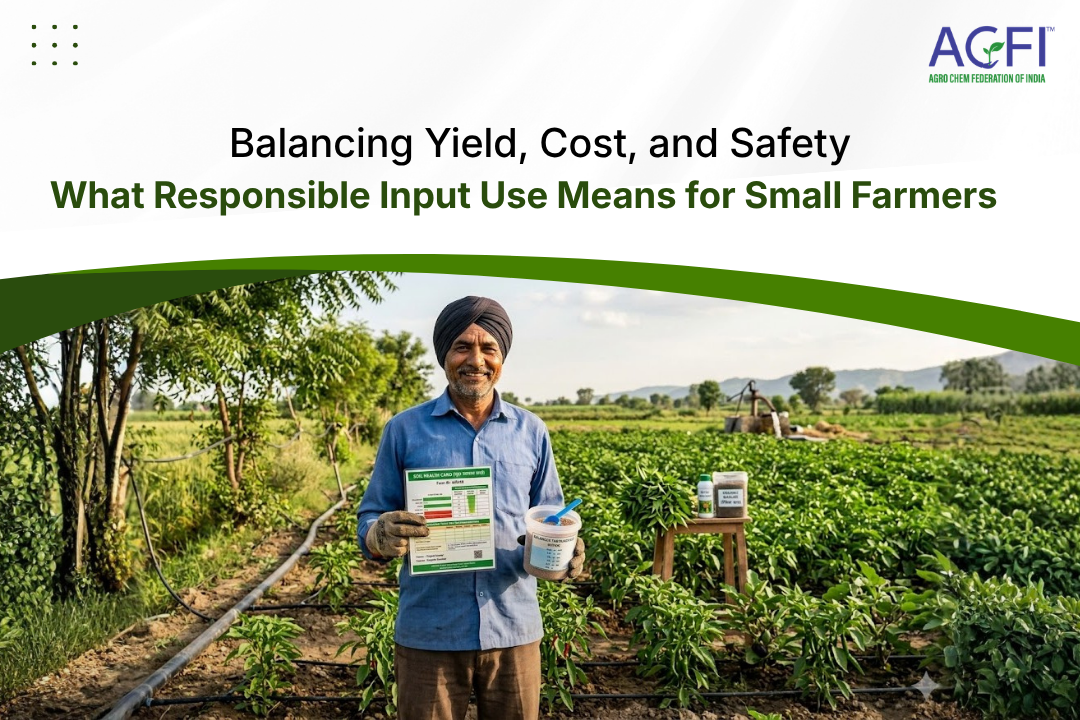
Responsible input use enables smallholder farmers in India, typically operating on holdings under 2 hectares, to achieve optimal crop yields, minimise expenditure through reduced wastage, an...
